Medical Spa vs. Regular Spa: Why the Difference Actually Matters

September 7, 2026
Booking a relaxing afternoon and booking a cosmetic treatment can look shockingly similar online. Both promise glowing skin and an hour away from your to-do list. But if you search for a medical spa in Wellington, FL, you'll find something different from a typical neighborhood spa: real medical oversight from board-certified specialists, FDA-approved treatments, and results that go well beyond a temporary glow.
Understanding that difference matters more than most people expect, especially once needles, lasers, or prescription-strength products enter the picture. Choosing the wrong setting for the wrong treatment isn't just a waste of money; it can also lead to disappointing results or, in rare cases, an outright safety risk. This guide breaks down exactly what sets a medical spa apart from a traditional one, what to expect during a visit, and how to decide which option best fits your goals.
What Makes a Medical Spa Different
Medical Oversight Changes Everything
The biggest difference comes down to who is in charge of your care. A medical spa operates under the supervision of licensed physicians, meaning every treatment plan is reviewed by someone with real medical training rather than a general aesthetics background. According to AmSpa's patient's guide to med spas, this oversight exists specifically to protect patients and make sure treatments are performed safely and appropriately for each person's needs, including who is legally allowed to hold the needle.
That level of accountability matters more than most people realize. A trained provider can spot underlying skin conditions, medication interactions, or health concerns that a traditional spa employee simply isn't trained to catch. They can also adjust a treatment plan mid-course if your skin responds differently than expected, something that requires clinical judgment, not just technical skill. This is also why medical spas typically require a health history and a real conversation before your first treatment, rather than a quick sign-in sheet at the front desk.
The Treatments Themselves Are Medical-Grade
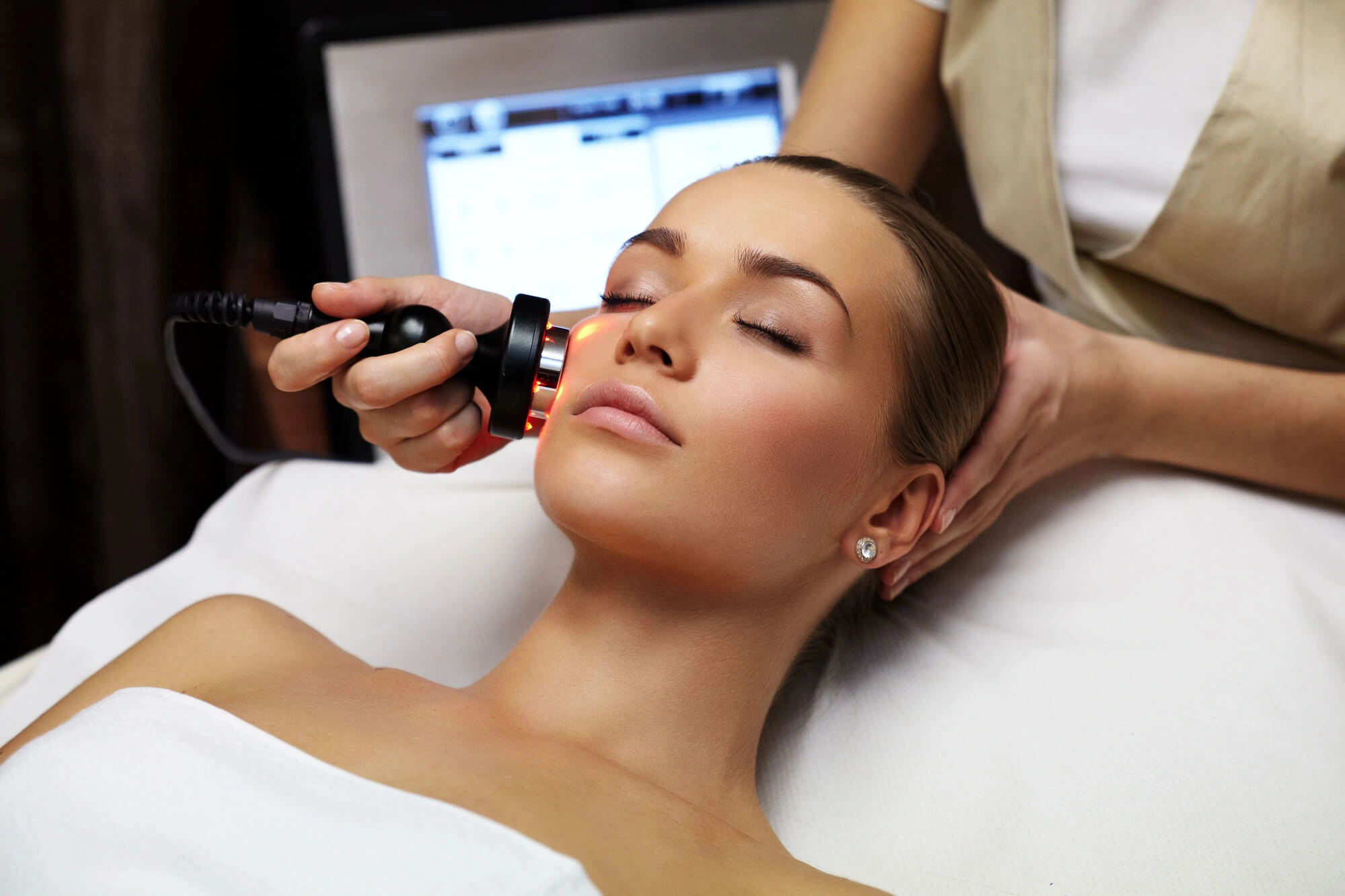
Medical spas offer procedures that fall under the practice of medicine, not just cosmetology. Think Botox® injections, dermal fillers, laser treatments, and Morpheus8 microneedling treatments that use radiofrequency energy to stimulate collagen. These aren't things you can safely perform without medical training, sterile technique, and the right equipment on hand in case of an adverse reaction.
Common medical spa treatments include:
- Botox® and other neuromodulator injections
- Dermal filler treatments
- Laser hair removal
- IPL photofacials for sun damage and redness
- Radiofrequency microneedling
Each of these requires an understanding of facial anatomy, skin physiology, and how to manage complications if they arise. That's a very different skill set from the one used during a standard facial or massage, and it's part of why the results tend to last longer and go deeper than surface-level pampering.
What a Regular Spa Does Well (and Where It Stops)
Relaxation-Focused Services
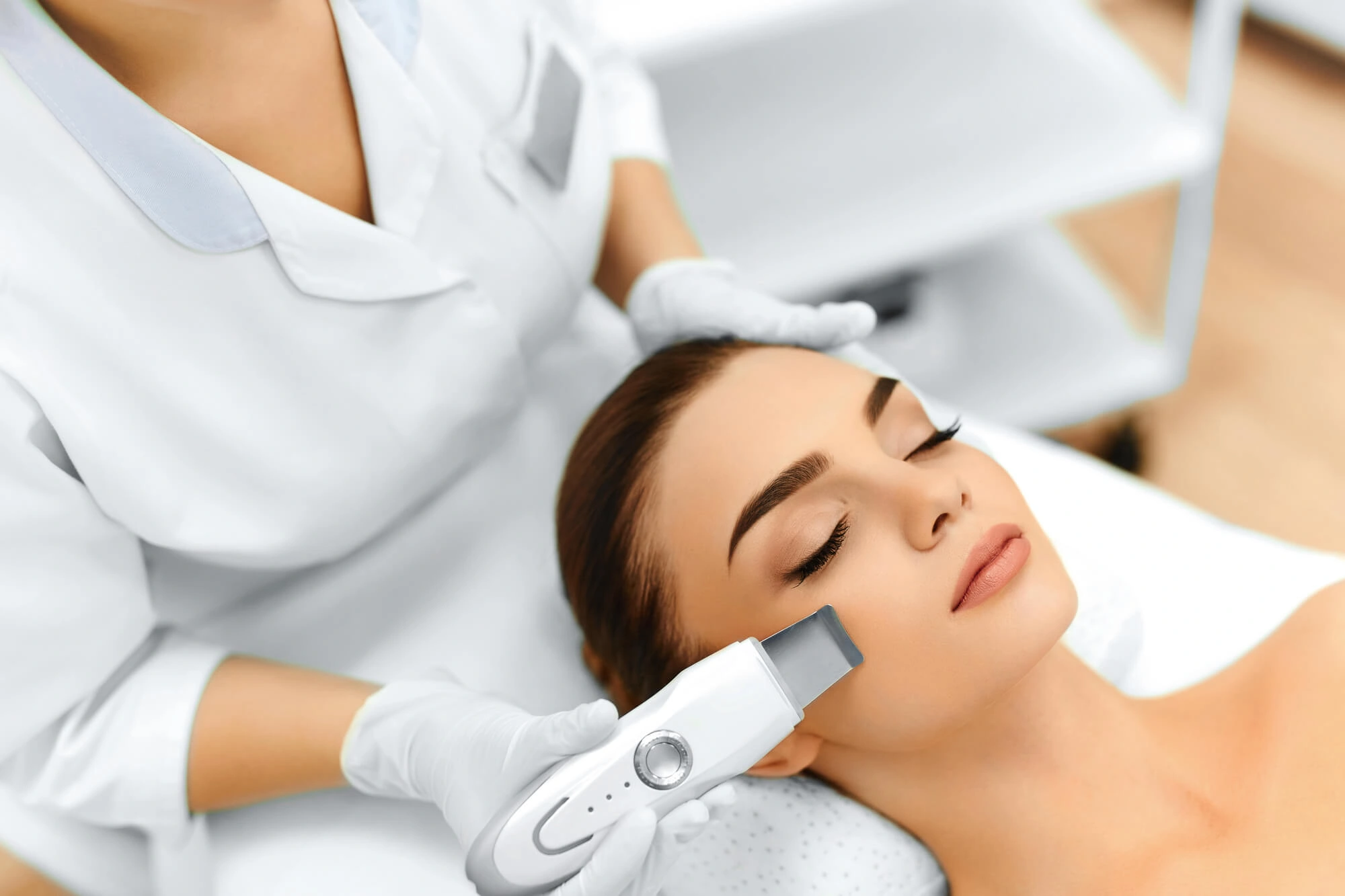
Traditional day spas absolutely have their place, and there's nothing wrong with wanting one. Massages, facials, body wraps, and manicures are wonderful for stress relief and general self-care. Estheticians and massage therapists are skilled at what they do, and a good day spa experience can genuinely improve your week. Many people benefit from having both a favorite day spa and a trusted medical spa, using each one for what it does best.
Where the Line Gets Drawn
The line gets drawn the moment a treatment involves needles, prescription-strength products, or devices that penetrate below the skin's surface. The FDA has issued direct warnings about counterfeit and unsafe injectables reaching consumers through unlicensed sources, since injecting the wrong product, the wrong dose, or the wrong location can cause serious complications. A day spa simply isn't licensed, staffed, or equipped to offer that level of care, no matter how appealing the price might look on a booking app.
How to Choose the Right Option for Your Goals
Deciding between the two doesn't have to be complicated once you know what questions to ask and what you're actually hoping to achieve.
Ask About Who's Performing the Treatment
Before booking anything more advanced than a facial, ask who will actually be performing it and what their credentials are. A reputable practice will be upfront about its providers' training.
Consider What Results You Actually Want
If your goal is stress relief and a bit of pampering, a day spa will do the job well. But if you're trying to reduce wrinkles, tighten loose skin, or treat sun damage, you need providers who understand the science of aging skin, not just how to apply a nice-smelling cream. Reading through patient testimonials can also give you a realistic sense of what results to expect and how long they typically last.
Not every concern needs a medical-grade solution, and not every form of stress needs a medical answer either. Matching the right setting to the right goal saves you both time and money in the long run and helps you set expectations that align with reality.
Frequently Asked Questions
Is a medical spa more expensive than a regular spa?
It depends on the treatment. A basic facial may cost less at a day spa, but medical-grade treatments like injectables or laser therapy involve pharmaceutical-grade products, specialized equipment, and physician oversight, which is reflected in the price.
Do I need a consultation before treatment?
Yes. A proper consultation lets your provider review your health history, discuss your goals, and confirm you're a good candidate before any treatment begins, which helps avoid unwanted surprises later.
Can men benefit from medical spa treatments too?
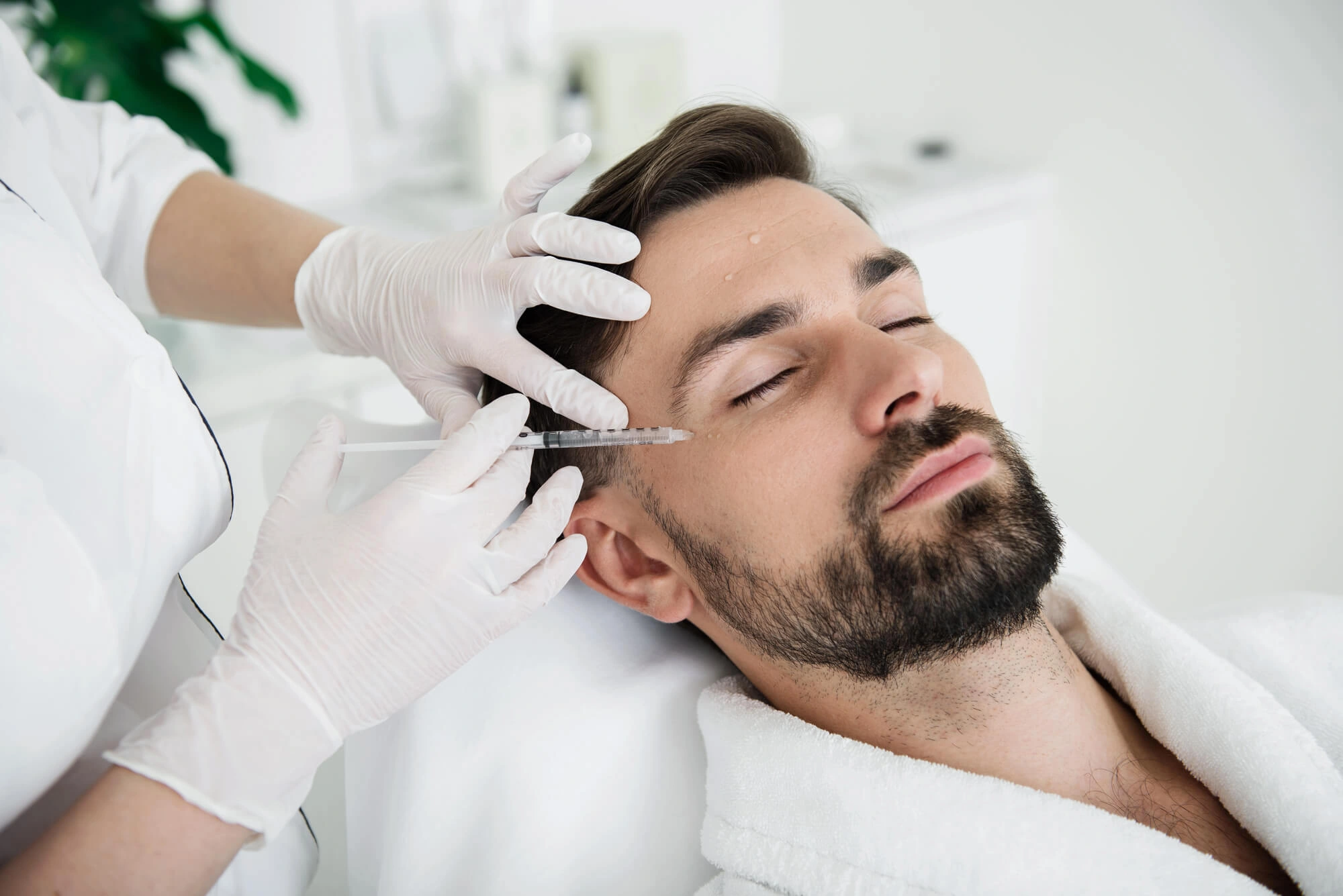
Absolutely. Men make up a growing share of medical spa patients, seeking everything from Botox® to laser hair removal and skin rejuvenation treatments for a more refreshed, energetic appearance.
How do I know if a provider is board-certified?
Don't be afraid to ask directly, or check credentials through your state's medical board website. A confident, reputable practice will never hesitate to share this information with you.
Will the results from medical spa treatments look natural?
When performed by an experienced provider, yes. The goal of most modern treatments is subtle enhancement rather than a dramatic change, so you still look like yourself, just more rested and refreshed.
Experience the Difference at a Medical Spa in Wellington, FL
When your goals go beyond relaxation and into real, measurable changes for your skin, working with a medically supervised team makes all the difference in both safety and results.
At Wellington Anti-Aging Centre, our team is ready to talk through your goals and build a treatment plan around them, so schedule a consultation today and see what a true medical spa experience can offer you.


.png)
Office Hours
Monday: 8:30 am - 5:00 pm
Tuesday: 8:30 am - 5:00 pm
Wednesday: 8:30 am - 5:00 pm
Thursday: 8:30 am - 5:00 pm
Friday: 8:30 am - 5:00 pm
Saturday & Sunday: Closed