Why Do You Suddenly Look Older at 50? The Aging Changes No One Warns You About

August 3, 2026
Turning 50 can bring noticeable changes to your appearance. Fine lines may deepen, skin can lose firmness, and your face may look more tired. These changes are normal and often reflect shifts in collagen, hormones, facial volume, and sun exposure.
If you're considering an anti-aging clinic in Wellington, FL, understanding these changes can help you make informed choices about your skin and overall wellness
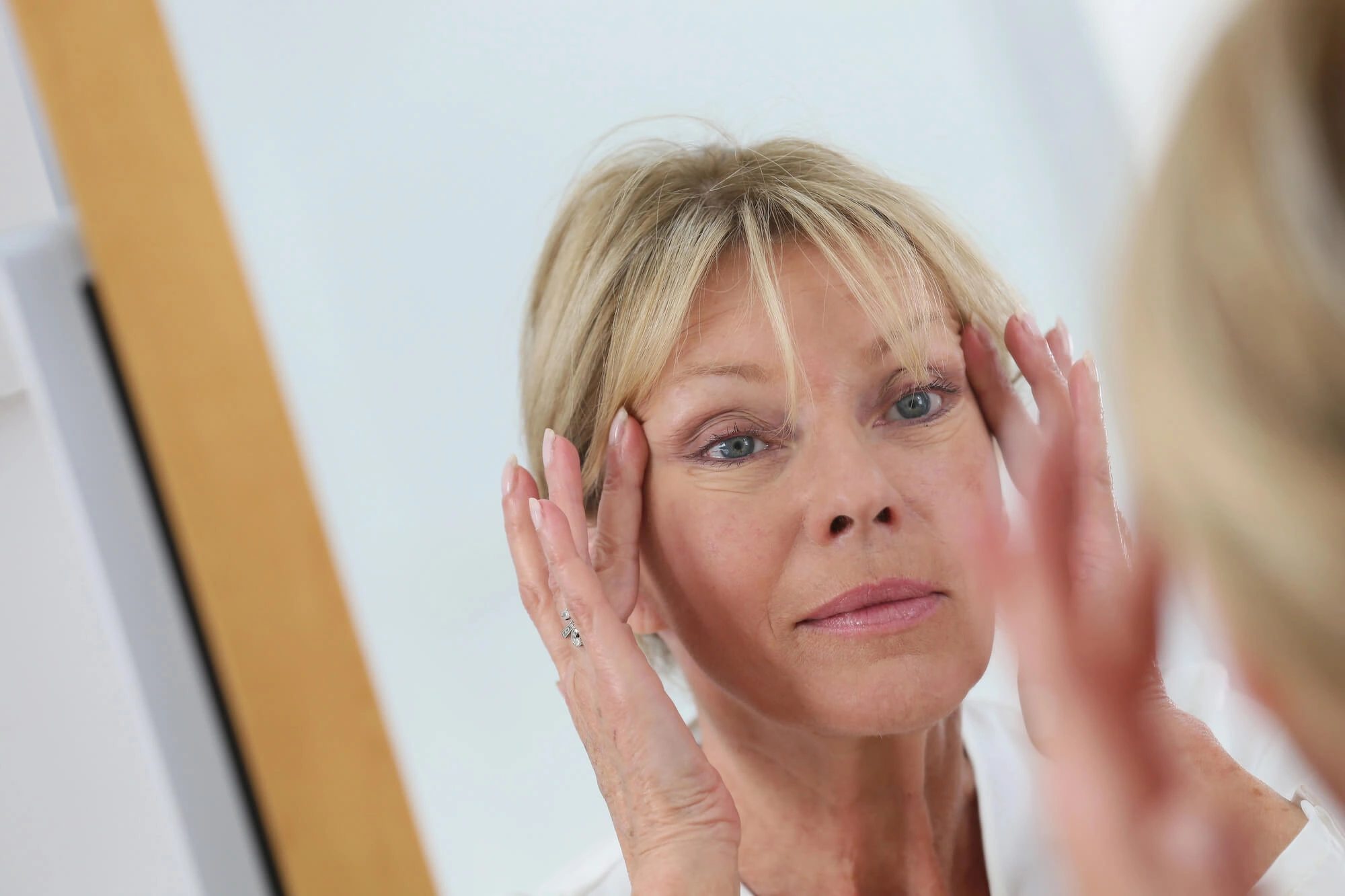
Why Your Appearance Can Change So Quickly Around 50
Collagen Loss Becomes More Noticeable
Collagen gives skin much of its structure and firmness. Production naturally declines with age, but the effects can become more obvious in your 40s and 50s.
As collagen decreases, skin may become thinner and less resilient. Fine lines can deepen, the cheeks may lose some firmness, and areas around the jaw and neck may begin to look less defined.
This doesn't mean your skin suddenly stops producing collagen at 50. The gradual decline simply becomes easier to see.
Your Skin Loses Elasticity
Elastin helps skin stretch and return to its original shape. With age, both elastin function and collagen production decline.
You may notice that your skin doesn't “bounce back” the way it once did. The lower face can begin to look softer, while the neck may show more creasing or laxity.
Sun exposure can accelerate this process. Years of ultraviolet exposure break down collagen and contribute to visible photoaging.
Facial Volume Starts to Shift
Wrinkles aren't the only reason an older face looks different. Changes in facial volume can have a major effect on appearance.
With age, some areas lose fat while others may accumulate or shift. The cheeks can appear flatter, the temples may look more hollow, and the area around the mouth can develop deeper folds.
These changes can make the face look tired even when the skin itself is relatively healthy.
Hormonal Changes Affect More Than Mood
For women, the years around menopause can bring substantial hormonal changes. Estrogen levels fluctuate and eventually decline, affecting skin thickness, hydration, collagen production, and elasticity.
Men also experience gradual hormonal changes. Testosterone levels tend to decline with age, which can affect muscle mass, body composition, energy, and other aspects of aging.
Hormones don't explain every visible change. They are one important piece of the picture.
Muscle Mass Can Change Your Appearance
Muscle loss is another aging change that doesn't always get enough attention. After 50, maintaining muscle becomes increasingly important for strength, metabolism, posture, and overall body composition.
Changes in facial muscles and supporting tissues can also influence facial appearance. The result isn't necessarily more wrinkles. It can be a gradual change in facial structure and definition.
Resistance training, adequate protein, regular movement, and appropriate medical care can all support healthy aging.
The Lifestyle Factors That Can Speed Up Visible Aging
Cumulative Sun Exposure
You may not notice the effects of every year of sun exposure when you're younger. By 50, the cumulative effect can become much more apparent.
UV exposure contributes to wrinkles, uneven pigmentation, rough texture, and collagen breakdown. This is particularly relevant in sunny climates where outdoor exposure is part of everyday life.
Daily broad-spectrum sunscreen, protective clothing, and shade remain some of the most valuable anti-aging habits.
Sleep and Chronic Stress
Poor sleep can leave the skin looking dull, puffy, or tired. Chronic stress may also influence inflammation, hormone regulation, and other processes associated with healthy aging.
A consistent sleep schedule, regular physical activity, and effective stress-management habits can support both how you feel and how your skin looks.
What You Can Do About Age-Related Changes
Protect the Skin You Have
Anti-aging care doesn't have to mean trying to erase every sign of getting older. Protecting your skin can help preserve its appearance and slow additional damage.
A simple routine can include a gentle cleanser, moisturizer, antioxidant-rich products, and daily broad-spectrum sunscreen. Avoiding tanning beds and limiting prolonged sun exposure can also make a meaningful difference.
Support Collagen and Skin Quality
As collagen production declines, treatments that promote collagen remodeling can be incorporated into a broader skin-care strategy. Professional options such as radiofrequency microneedling can target concerns such as fine lines, uneven skin texture, acne scars, and loose skin.
The goal is gradual improvement rather than an overnight transformation. Healthy-looking skin often comes from supporting its natural renewal process over time.
Address Volume Loss Thoughtfully
When facial volume changes, treating wrinkles alone may not create the balanced appearance you're looking for. Dermal fillers can restore volume in selected areas and help improve facial proportions.
Subtle treatment is often preferable. The objective is to complement your natural features rather than create a noticeably different face.
Don't Overlook Hormonal Health
If changes in energy, sleep, mood, libido, or body composition accompany visible aging, hormones may deserve attention. A medical evaluation can help determine whether hormonal changes are contributing to your symptoms.
Hormone therapy isn't appropriate for everyone. Testing, medical history, symptoms, and individual risk factors should guide any treatment decision.
Keep Your Expectations Realistic
No treatment stops aging. The most effective approach is usually a combination of prevention, healthy habits, and targeted professional care.
Think improvement rather than perfection. Smoother skin, better hydration, improved firmness, and a healthier overall appearance are realistic goals.
Frequently Asked Questions About Aging at 50
Why does my face suddenly look older at 50?
Several changes can become more noticeable around this age, including collagen loss, reduced skin elasticity, facial volume changes, sun damage, and hormonal shifts. These processes usually develop gradually, even when the visible difference seems sudden.
Can you reverse signs of aging after 50?
You cannot completely reverse biological aging, but many visible signs of aging can be improved. Skin-care routines, sun protection, healthy lifestyle habits, and appropriate aesthetic treatments can help improve texture, firmness, volume, and overall appearance.
Is it too late to start an anti-aging routine at 50?
Not at all. Skin can benefit from better protection and consistent care at any age. A professional assessment can also help identify which concerns deserve the most attention.
Does menopause make skin age faster?
Hormonal changes associated with menopause can affect collagen, hydration, skin thickness, and elasticity. These changes can make certain signs of aging more noticeable. Individual experiences vary.
What is the most important anti-aging habit?
Daily sun protection is one of the most important habits for protecting against premature skin aging. Consistent sleep, nutrition, exercise, hydration, and a suitable skincare routine also support healthy aging.
Your Options at an Anti-Aging Clinic in Wellington, FL
Looking older at 50 doesn't mean you've done something wrong. Your body is changing in predictable ways, and understanding those changes can help you make informed choices about your health and appearance.
At Wellington Anti-Aging Centre, we offer personalized hormone, weight loss, injectable, and skin treatments. Contact us today to explore your options at an anti-aging clinic in Wellington, FL.


.png)
Office Hours
Monday: 8:30 am - 5:00 pm
Tuesday: 8:30 am - 5:00 pm
Wednesday: 8:30 am - 5:00 pm
Thursday: 8:30 am - 5:00 pm
Friday: 8:30 am - 5:00 pm
Saturday & Sunday: Closed